Resources

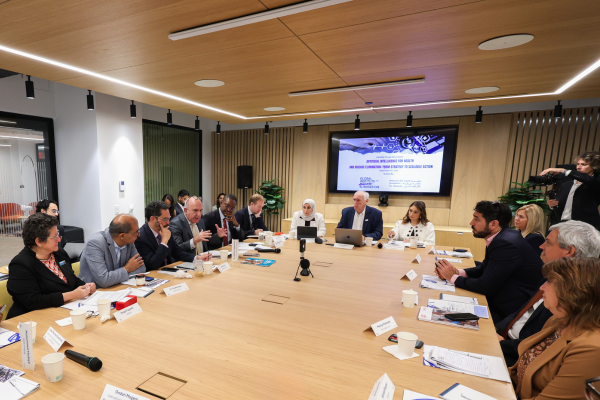
Meeting Report: Artificial Intelligence for Health and Disease Elimination
Meeting Report: Artificial Intelligence for Health and Disease Elimination
GLIDE and the Mohamed bin Zayed Foundation for Humanity co-hosted a high-level roundtable, “Artificial Intelligence for Health and Disease Elimination: From Strategy to Scalable Action,” alongside UNGA80 in New York. The event convened global health leaders to examine how AI can accelerate disease elimination, while addressing critical considerations around equity, accessibility, governance, safety, and measurement of impact. The discussion concluded with a call for collective action to strengthen collaboration and advance responsible, scalable use of AI across global health systems.
 Download Report
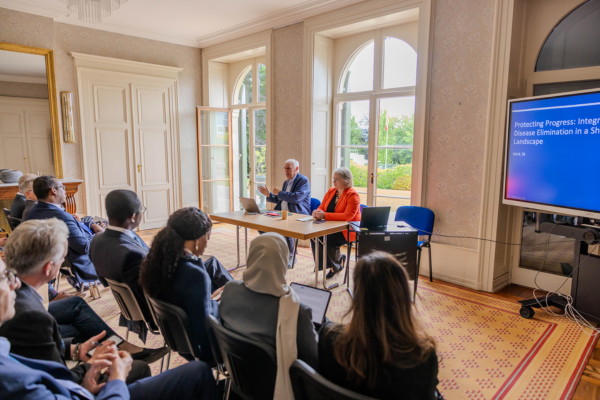
Meeting Report: Protecting Progress: Integration for infectious diseases
Meeting Report: Protecting Progress: Integration for infectious diseases
Amid shifting geopolitical dynamics, constrained funding, and ongoing global health emergencies, the integration of disease-specific programs into broader health systems has become essential to sustaining and accelerating progress in disease elimination. In response to this, the Global Institute for Disease Elimination (GLIDE) convened a high-level event during the 78th World Health Assembly, continuing its work on exploring integration as a means to accelerate disease elimination. Bringing together policymakers, donors, researchers, and implementing partners, the event explored how pragmatic, country-led, and performance-oriented integration can align programs, optimize resources, and adapt to local contexts. Drawing on global evidence, country case studies, and partner insights, participants emphasized integration as a strategic imperative to maintain momentum against diseases such as malaria, polio, and neglected tropical diseases (NTDs).
Download Report
2024 ANNUAL REPORT
2024 ANNUAL REPORT
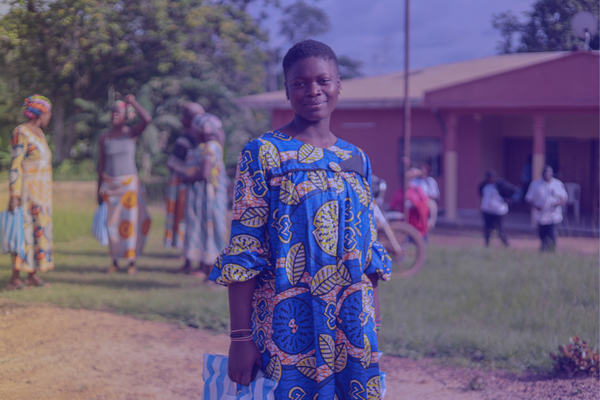
GLIDE’s 2024 Annual Report spotlights key achievements and milestones from the year, reflecting the impact of our partnerships, programs, and initiatives to eliminate infectious diseases.
Download Report
Meeting Report: Harnessing AI for Disease Elimination: A Game-Changer in Public Health?

Meeting Report: Harnessing AI for Disease Elimination: A Game-Changer in Public Health?
GLIDE convened a stakeholder engagement roundtable during Abu Dhabi Global Health Week, held from April 15–17, 2025, in Abu Dhabi. The roundtable explored how AI could be integrated into existing programs to enhance disease surveillance, diagnostics, and resource allocation, with a focus on accelerating the elimination of NTDs. The session fostered collaboration and, through knowledge exchange and sharing, generated strategies and actionable recommendations to address the unique challenges of disease elimination, ultimately shaping the future of public health interventions.
Download Report
Interventions To Improve Malaria Elimination: Cross-Border areas between Indonesia and Timor-Leste
Interventions To Improve Malaria Elimination: Cross-Border areas between Indonesia and Timor-Leste
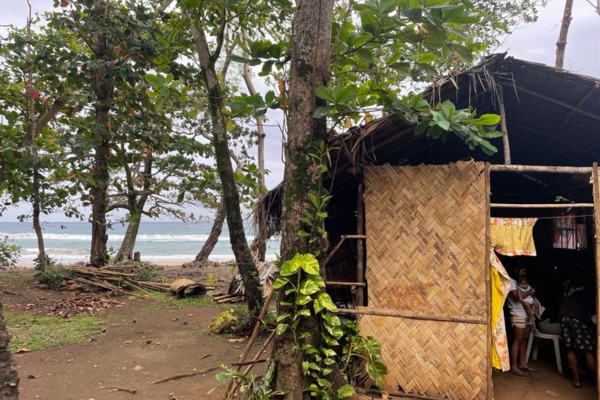
Indonesia and Timor Leste share porous international borders, enabling persistent malaria transmission due to ecological factors, high population mobility, and uneven access to healthcare services. Despite considerable progress in reducing the malaria burden in the respective countries over the last decade, the cross-border region presents unique challenges that threaten to undermine broader malaria elimination efforts across both countries.
This policy brief presents the approaches and lessons learned on designing and implementing these interventions for malaria surveillance in cross-border settings.
Download Report
Thematic Feature: Integration for Joint Elimination of Malaria and Lymphatic Filariasis (LF)
Thematic Feature: Integration for Joint Elimination of Malaria and Lymphatic Filariasis (LF)
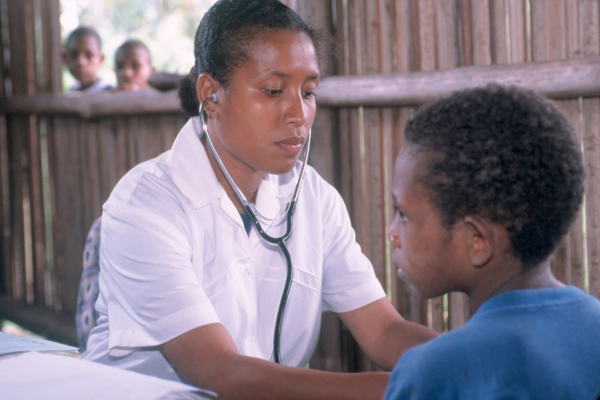
This thematic feature, a joint effort by Asia Pacific Leaders Malaria Elimination (APLMA), PNG IMR, and the Global Institute for Disease Elimination (GLIDE), emphasizes the importance of collaboration in tackling complex public health challenges. It outlines key recommendations to address the interconnected issues of malaria and lymphatic filariasis in Papua New Guinea.
Download Report
Interim Strategic Plan 2025 – 2030

Interim Strategic Plan 2025 – 2030
This new strategic plan for 2025-2030 defines GLIDE’s evolved identity, sets out its mission, strategic pillars, and a toolkit of tactics that the institute draws upon to help achieve its vision of a world free of eliminable infectious diseases. It sees GLIDE firmly leaning into its role as a strategic advisor, convenor, facilitator, and accelerator for infectious disease elimination.
*Note that this strategy was developed and drafted in late 2024 and approved in early 2025 prior to significant shifts in the global health and development landscape. As a result, we have branded this an Interim Strategic Plan pending review in 2025 to ensure it responds appropriately to the development shifts and remains fit for purpose.
Download Report
Publication: Guiding Health Resource Allocation
Publication: Guiding Health Resource Allocation
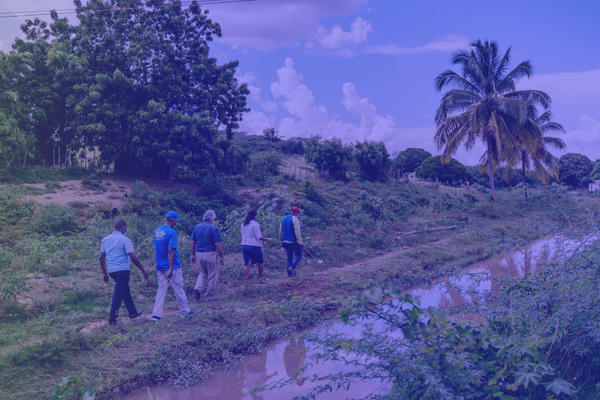
The first paper from GLIDE’s collaboration with the University of York Centre for Health Economics has been published in Applied Health Economics and Health Policy. The paper, “Guiding Health Resource Allocation: Using Population Net Health Benefit to Align Disease Burden with Cost Effectiveness for Informed Decision Making,” explores how health systems can better allocate resources by aligning disease burden with cost-effective interventions.
GLIDE’s partnership with the Centre for Health Economics helps generate evidence, supports evidence to policy pathways, and strengthens capacity in health economics and its application towards disease elimination and neglected diseases.
Download Report
2024 ANNUAL REPORT
2024 ANNUAL REPORT
GLIDE’s 2024 Annual Report spotlights key achievements and milestones from the year, reflecting the impact of our partnerships, programs, and initiatives to eliminate infectious diseases.
Download Report
Interim Strategic Plan 2025 – 2030
Interim Strategic Plan 2025 – 2030
This new strategic plan for 2025-2030 defines GLIDE’s evolved identity, sets out its mission, strategic pillars, and a toolkit of tactics that the institute draws upon to help achieve its vision of a world free of eliminable infectious diseases. It sees GLIDE firmly leaning into its role as a strategic advisor, convenor, facilitator, and accelerator for infectious disease elimination.
*Note that this strategy was developed and drafted in late 2024 and approved in early 2025 prior to significant shifts in the global health and development landscape. As a result, we have branded this an Interim Strategic Plan pending review in 2025 to ensure it responds appropriately to the development shifts and remains fit for purpose.
Download Report
2023 ANNUAL REPORT

2023 ANNUAL REPORT
GLIDE’s 2023 Annual Report highlights the sustained progress of our partnerships, programs, and initiatives aimed at eliminating infectious diseases. The report showcases significant milestones achieved through collaborative efforts throughout the year.
Download Report
2022 ANNUAL REPORT

2022 ANNUAL REPORT
GLIDE’s 2022 Annual Report presents the continuing of our partnerships, programs, and initiatives as we begin to observe the impact of our work on the elimination efforts toward ending infectious diseases.
Download Report
2021 ANNUAL REPORT
2021 ANNUAL REPORT
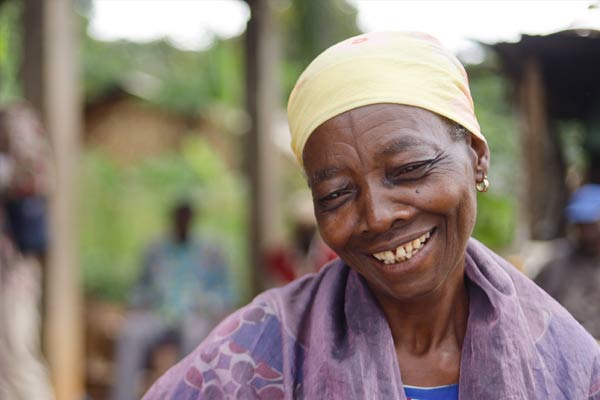
GLIDE’s 2021 Annual Report provides an overview of our activities, programs, and initiatives during the year.
Download Report
2020 ANNUAL REPORT

2020 ANNUAL REPORT
GLIDE’s 2020 Annual Report provides an overview of activities and partnerships in our first year of operation and supplies a forward look to the year ahead.
Download Report
Publication: Guiding Health Resource Allocation
Publication: Guiding Health Resource Allocation
The first paper from GLIDE’s collaboration with the University of York Centre for Health Economics has been published in Applied Health Economics and Health Policy. The paper, “Guiding Health Resource Allocation: Using Population Net Health Benefit to Align Disease Burden with Cost Effectiveness for Informed Decision Making,” explores how health systems can better allocate resources by aligning disease burden with cost-effective interventions.
GLIDE’s partnership with the Centre for Health Economics helps generate evidence, supports evidence to policy pathways, and strengthens capacity in health economics and its application towards disease elimination and neglected diseases.
Download Report
Case Study: Zanzibar Malaria and NTDs Program Integration Workshop
Case Study: Zanzibar Malaria and NTDs Program Integration Workshop
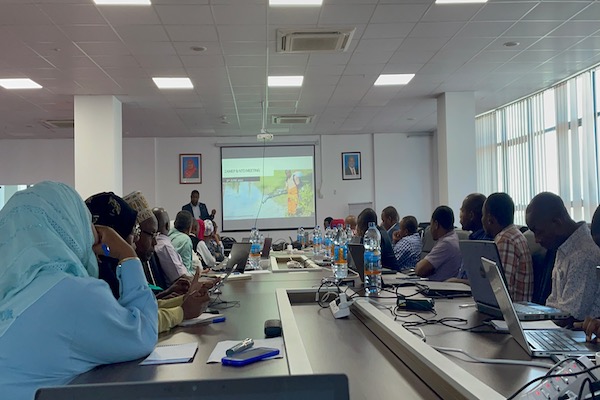
In November 2021, GLIDE, Bridges to Development, and the Zanzibar ministry of Health held an in-person workshop for malaria and NTD program managers to present a newly developed framework and process to support programs to identify impactful and feasible win-win opportunities for integration. The process draws heavily from the experiences of the health works implementing programs, and are meant to be owned and led by the national programs.
This case study summarizes the process and outcomes of the virtual workshop, with participants identifying eight potential areas for integration. Accompanying this case study is a quick guide to implementing an integration workshop.
Download Report
Case Study: Ghana Malaria and NTDs Program Integration Workshop
Case Study: Ghana Malaria and NTDs Program Integration Workshop
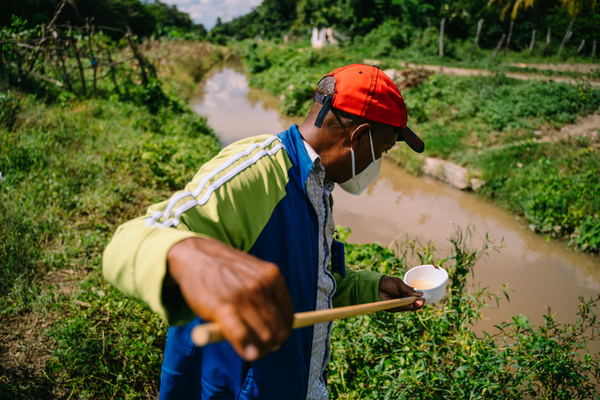
In November 2021, GLIDE, Bridges to Development, and the Ghana Health Service held a virtual workshop for malaria and NTD program managers to present a newly developed framework and process to support programs to identify impactful and feasible win-win opportunities for integration. The process draws heavily from the experiences of the health works implementing programs, and are meant to be owned and led by the national programs.
This case study summarizes the process and outcomes of the virtual workshop, with participants identifying eight potential areas for integration. Accompanying this case study is a quick guide to implementing an integration workshop.
Download Report
Interventions To Improve Malaria Elimination: Cross-Border areas between Indonesia and Timor-Leste
Interventions To Improve Malaria Elimination: Cross-Border areas between Indonesia and Timor-Leste
Indonesia and Timor Leste share porous international borders, enabling persistent malaria transmission due to ecological factors, high population mobility, and uneven access to healthcare services. Despite considerable progress in reducing the malaria burden in the respective countries over the last decade, the cross-border region presents unique challenges that threaten to undermine broader malaria elimination efforts across both countries.
This policy brief presents the approaches and lessons learned on designing and implementing these interventions for malaria surveillance in cross-border settings.
Download Report
Falcon Awards for Disease Elimination: The Climate Edit Compendium of Research
Falcon Awards for Disease Elimination: The Climate Edit Compendium of Research
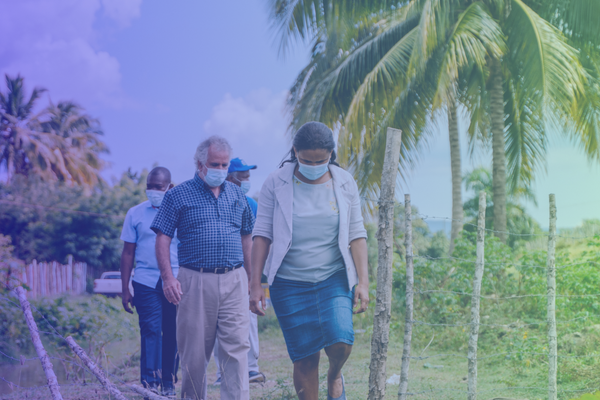
Explore new research at the crossroads of health and the environment from the Falcon Awards for Disease Elimination – The Climate Edit. This global initiative by GLIDE has empowered researchers to delve into uncharted territories where climate and infectious diseases intersect. The compendium of findings provides succinct summaries of nine research projects that shed light on the intricate relationship between disease elimination and climate.
You can view and read the full research papers here
Download Report
Advancing Health for All in a Changing Climate: Health Day at COP28
Advancing Health for All in a Changing Climate: Health Day at COP28
As we get ready for COP28 in Dubai and the first official Health Day, check out our new brief on what to expect, COP28 will be addressing important health concerns during the climate change discussions. It will be a significant milestone as it will have its first-ever dedicated “Health Day” on Sunday, 3 December. The health community has been working for a long time to emphasize the importance of health within the Conference of the Parties. This year, for the first time, Health has been officially included as one of the thematic focuses by the COP Presidency. This achievement is the result of collaborative efforts from the health community, the World Health Organization (WHO), countries, and the leadership from the UAE, who have consistently supported global health goals.
Download Report
GLIDE’s commitment to achieving the Sustainable Development Goals

GLIDE’s commitment to achieving the Sustainable Development Goals
This brief illustrates how GLIDE works by focusing on cross-sector, cross-border, and cross-disease approaches with partnerships and programmes to help achieve the promises of the Sustainable Development Goals (SDGs) to ensure a healthier more equitable world for all.
Download Report
GLIDE STRATEGIC PLAN 2021- 2024
GLIDE STRATEGIC PLAN 2021- 2024
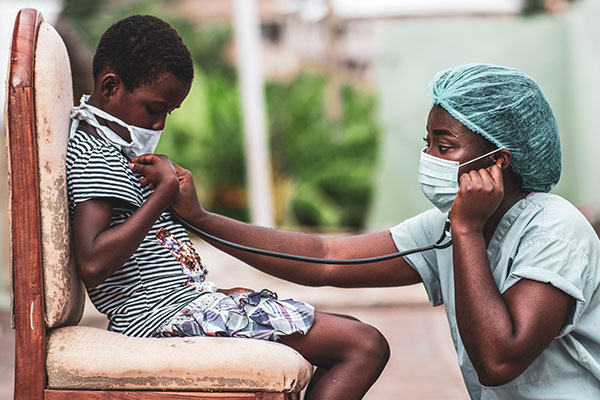
Our strategic plan 2021-2024 outlines how we will build upon existing efforts in disease elimination and identify gaps in knowledge to help us eliminate diseases of poverty once and forever.
This plan will guide our institute’s work from 2021-2024 and help us deliver on our mission to advance global thinking and advance progress toward disease elimination.
Download Report
The Climate Edit Winners
The Climate Edit Winners
After the successful inaugural Falcon Awards for Disease Elimination, which recognized five winners from countries affected by diseases such as polio, malaria, and NTDs, awarding them grants of up to $200,000 for their community-based projects, The Global Institute for Disease Elimination (GLIDE) introduced its second edition in early 2023, known as the Falcon Awards for Disease Elimination – The Climate Edit. This global initiative’s primary goal is to expand the knowledge surrounding the intersection of disease elimination and climate change while providing catalytic support to researchers to examine new and under-explored areas of the climate and infectious disease nexus. Nine exceptional applications were chosen to undertake six-month formative research projects, each receiving grants of up to US$50,000 to catalyze efforts in broadening our understanding of the connection between climate and infectious diseases. The final research papers are slated for publication during the UNFCCC COP28 event in Dubai end of 2023.
Download Report
Quick Guide to Implementing an Integration Workshop
Quick Guide to Implementing an Integration Workshop
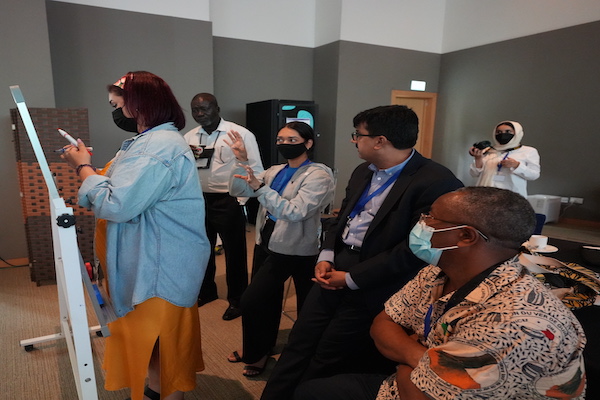
GLIDE and Bridges to Development developed this Quick Guide to support country Ministry of Health and stakeholders interested in identifying opportunities for impactful integration between health programs. Additional case studies are available in this White Paper, and this case study from a virtual workshop held with the Ghana Health Service.
Download Report
Meeting Report: Artificial Intelligence for Health and Disease Elimination
Meeting Report: Artificial Intelligence for Health and Disease Elimination
GLIDE and the Mohamed bin Zayed Foundation for Humanity co-hosted a high-level roundtable, “Artificial Intelligence for Health and Disease Elimination: From Strategy to Scalable Action,” alongside UNGA80 in New York. The event convened global health leaders to examine how AI can accelerate disease elimination, while addressing critical considerations around equity, accessibility, governance, safety, and measurement of impact. The discussion concluded with a call for collective action to strengthen collaboration and advance responsible, scalable use of AI across global health systems.
Download Report
Meeting Report: Protecting Progress: Integration for infectious diseases
Meeting Report: Protecting Progress: Integration for infectious diseases
Amid shifting geopolitical dynamics, constrained funding, and ongoing global health emergencies, the integration of disease-specific programs into broader health systems has become essential to sustaining and accelerating progress in disease elimination. In response to this, the Global Institute for Disease Elimination (GLIDE) convened a high-level event during the 78th World Health Assembly, continuing its work on exploring integration as a means to accelerate disease elimination. Bringing together policymakers, donors, researchers, and implementing partners, the event explored how pragmatic, country-led, and performance-oriented integration can align programs, optimize resources, and adapt to local contexts. Drawing on global evidence, country case studies, and partner insights, participants emphasized integration as a strategic imperative to maintain momentum against diseases such as malaria, polio, and neglected tropical diseases (NTDs).
Download Report
Meeting Report: Harnessing AI for Disease Elimination: A Game-Changer in Public Health?
Meeting Report: Harnessing AI for Disease Elimination: A Game-Changer in Public Health?
GLIDE convened a stakeholder engagement roundtable during Abu Dhabi Global Health Week, held from April 15–17, 2025, in Abu Dhabi. The roundtable explored how AI could be integrated into existing programs to enhance disease surveillance, diagnostics, and resource allocation, with a focus on accelerating the elimination of NTDs. The session fostered collaboration and, through knowledge exchange and sharing, generated strategies and actionable recommendations to address the unique challenges of disease elimination, ultimately shaping the future of public health interventions.
Download Report
Meeting Report: Community-Centered Delivery Approaches
Meeting Report: Community-Centered Delivery Approaches
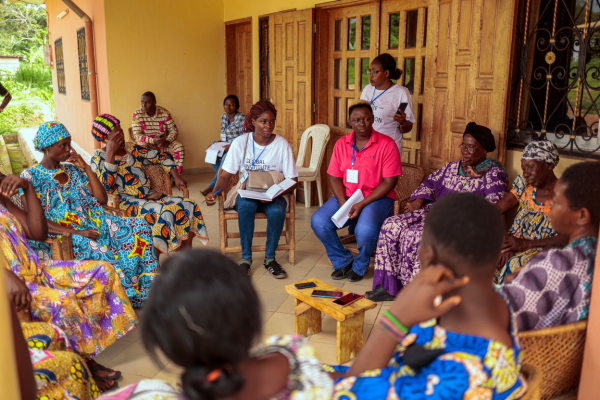
At the last mile of disease elimination efforts, it is crucial to prioritize communities most directly affected by and proximate to the vectors. The Neglected Tropical Disease (NTD) road map 2021- 2030 highlights the critical role of community engagement in addressing NTDs and advocates for integrating community engagement and participation across all NTD activities to ensure sustainable and effective interventions. Community-directed treatment with ivermectin (CDTi) is a cornerstone strategy for mass drug administration (MDA) in African countries endemic for onchocerciasis and Lymphatic Filariasis. This approach directly involves communities in the planning of MDA, fostering local ownership and accountability. Barriers to CDTi include distrust of government entities and the process for identifying community drug distributors, fears of adverse events following treatment, low baseline knowledge and understanding of the disease, and broader community fatigue. These persistent issues pose significant obstacles to the effective delivery of MDA, contributing to high transmission areas and groups of never-treated individuals in several countries, even after decades of MDA efforts. The NTD community must pause to reflect on these persistent challenges and draw lessons from countries that have sought a deeper understanding of the root causes of ongoing transmission. Such reflections should involve learning directly from the communities themselves. As 2030 approaches—the target year for achieving the elimination goals outlined in the NTD road map—it is critical to explore how community-driven approaches can enhance elimination efforts and ensure these strategies are sustainably financed.
Recognizing these challenges, the Global Institute for Disease Elimination (GLIDE) hosted a stakeholder roundtable on November 15, 2024, during the American Society of Tropical Medicine and Hygiene (ASTMH) Annual Meeting in New Orleans, Louisiana, USA. This roundtable emphasized community-centered delivery approaches, aiming to develop informed strategies for advancing onchocerciasis elimination.
Download Report
Meeting Report: Moxidectin Use for Onchocerciasis Elimination
Meeting Report: Moxidectin Use for Onchocerciasis Elimination
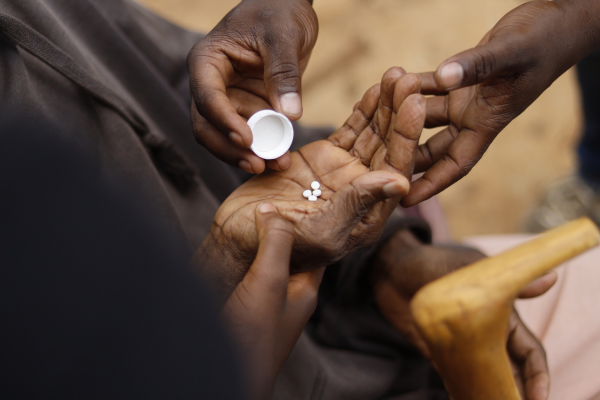
The last mile of disease elimination is often the most anticipated as countries approach their elimination targets. However, this phase is also the most challenging, requiring significant financial investment and carefully tailored strategies to ensure the most effective technologies and tools reach the communities that need them most. At the 2023 Reaching the Last Mile Forum, global donors announced a milestone expansion of the Reaching the Last Mile Fund (RLM Fund) from $100 million to $500 million. This landmark investment aims to bolster global efforts to eliminate onchocerciasis and lymphatic filariasis (LF) in Africa and Yemen1. Despite this progress, critical questions persist: how, where, and to whom should these resources be allocated to achieve maximum impact?
Recognizing the urgency of these challenges, GLIDE hosted a stakeholder engagement roundtable on November 14, 2024, on the sidelines of the American Society of Tropical Medicine and Hygiene (ASTMH) Annual Meeting in New Orleans, Louisiana, USA. The focus was on moxidectin, a promising tool for accelerating the elimination of onchocerciasis.
Download Report
GLIDE’s Inaugural Symposium Meeting Report
GLIDE’s Inaugural Symposium Meeting Report
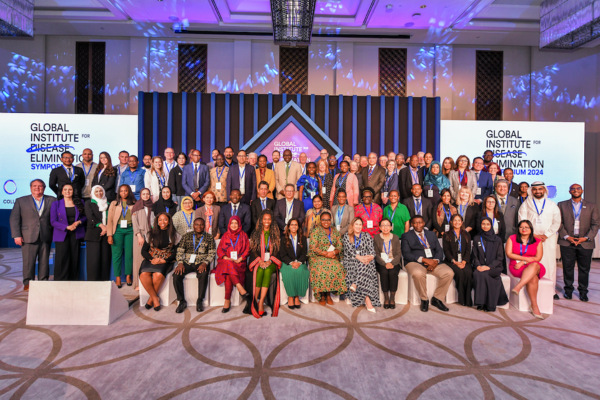
Overview and Summary of GLIDE’s Inaugural Symposium: Integrated Approaches to Disease Elimination
The inaugural GLIDE Symposium: integrated approaches to disease elimination, highlighted the importance of exploring opportunities for integration when there is a rationale for it. The event brought together leaders of all GLIDE-funded projects, strategic partners, and various global stakeholders working in disease elimination and eradication.
Check out the agenda and speaker bios Here
Download Report
Discussion Paper: Innovative Finance For Neglected Tropical Diseases (French)
Discussion Paper: Innovative Finance For Neglected Tropical Diseases (French)
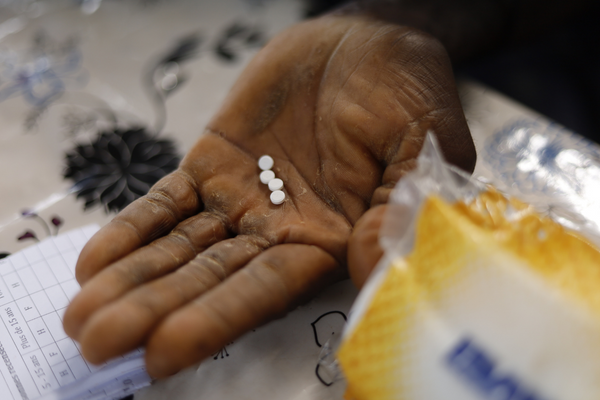
Despite affecting nearly two billion people—primarily across low- and middle-income countries—the availability and deployment of innovative new treatments for neglected tropical diseases (NTDs) are rare. For diagnostic tests, the situation is similarly concerning; of the 20 NTDs identified by the World Health Organization, tests do not exist for six NTDs, and for the remaining NTDs, the tests are either not fit-for-purpose or not accessible where they are needed.
With support from McKinsey Consulting, GLIDE developed an innovative finance (IF) workstream to coordinate and lead a 6-month technical exercise with a small core group of 20 organizations, including representatives from traditional pharmaceutical companies and non-governmental organizations (NGOs), product development partnerships, and civil society. The objectives of this exercise were to condense existing evidence, galvanize inter-sectoral discussions, and capture the voices of leaders committed to finding IF solutions for NTDs. The results of this exercise are four prioritized finance mechanisms: i. debt swaps, ii. milestone-based funding and end prizes for NTD diagnostics, iii. development impact bonds, and iv. pooled procurement (as a market-shaping prospect)—that are proposed for further interrogation with a broader stakeholder community to understand the viability of application to a specific disease(s), instrument(s), and country or regional contexts.
Download Report
Discussion Paper: Innovative Finance For Neglected Tropical Diseases
Discussion Paper: Innovative Finance For Neglected Tropical Diseases
Despite affecting nearly two billion people—primarily across low- and middle-income countries—the availability and deployment of innovative new treatments for neglected tropical diseases (NTDs) are rare. For diagnostic tests, the situation is similarly concerning; of the 20 NTDs identified by the World Health Organization, tests do not exist for six NTDs, and for the remaining NTDs, the tests are either not fit-for-purpose or not accessible where they are needed.
With support from McKinsey Consulting, GLIDE developed an innovative finance (IF) workstream to coordinate and lead a 6-month technical exercise with a small core group of 20 organizations, including representatives from traditional pharmaceutical companies and non-governmental organizations (NGOs), product development partnerships, and civil society. The objectives of this exercise were to condense existing evidence, galvanize inter-sectoral discussions, and capture the voices of leaders committed to finding IF solutions for NTDs. The results of this exercise are four prioritized finance mechanisms: i. debt swaps, ii. milestone-based funding and end prizes for NTD diagnostics, iii. development impact bonds, and iv. pooled procurement (as a market-shaping prospect)—that are proposed for further interrogation with a broader stakeholder community to understand the viability of application to a specific disease(s), instrument(s), and country or regional contexts.
Download Report
Meeting Report: Innovative Finance For Neglected Tropical Diseases
Meeting Report: Innovative Finance For Neglected Tropical Diseases
Despite affecting nearly two billion people—primarily across low- and middle-income countries—the availability and deployment of innovative new treatments for neglected tropical diseases (NTDs) are rare. For diagnostic tests, the situation is similarly concerning; of the 20 NTDs identified by the World Health Organization, tests do not exist for six NTDs, and for the remaining NTDs, the tests are either not fit-for-purpose or not accessible where they are needed.
With support from McKinsey Consulting, GLIDE developed an innovative finance (IF) workstream to coordinate and lead a 6-month technical exercise with a small core group of 20 organizations, including representatives from traditional pharmaceutical companies and non-governmental organizations (NGOs), product development partnerships, and civil society. The objectives of this exercise were to condense existing evidence, galvanize inter-sectoral discussions, and capture the voices of leaders committed to finding IF solutions for NTDs. The results of this exercise are four prioritized finance mechanisms: i. debt swaps, ii. milestone-based funding and end prizes for NTD diagnostics, iii. development impact bonds, and iv. pooled procurement (as a market-shaping prospect)—that are proposed for further interrogation with a broader stakeholder community to understand the viability of application to a specific disease(s), instrument(s), and country or regional contexts.
Download Report
THE GLOBAL ELIMINATION OR ERADICATION ACCELERATION REVIEW (GEAR)
THE GLOBAL ELIMINATION OR ERADICATION ACCELERATION REVIEW (GEAR)
The GEAR process was designed by a small team from the Global Institute for Disease Elimination (GLIDE) and Bridges to Development. It is an independent review and evaluation method aiming to assess elimination and eradication (E&E) programs based on what has and has not worked in past disease elimination efforts. The work began with the development of a ‘white paper’ reviewing disease elimination and eradication efforts which identified seven key risks to disease E&E programs. These findings were analyzed and then presented for review at the Coalition for Operational Research on NTDs (COR-NTD) Annual Meeting (October 2020).
The WHO 2030 NTD Roadmap aims to eliminate and eradicate twelve diseases by 2030, and achieving this vision will require the neglected tropical diseases (NTD) community to take a proactive and critical look at past experiences (both successes and failures), improve learning across diseases and programs, and develop tools to help identify weaknesses in order to build stronger programs. The GEAR method and related tools have been intended to stimulate critical thinking and foster continuous learning in order to keep the twelve NTD E&E initiatives included in the WHO Roadmap on track to meet their goals.
Download Report
White Paper: Elimination and Eradication of Disease
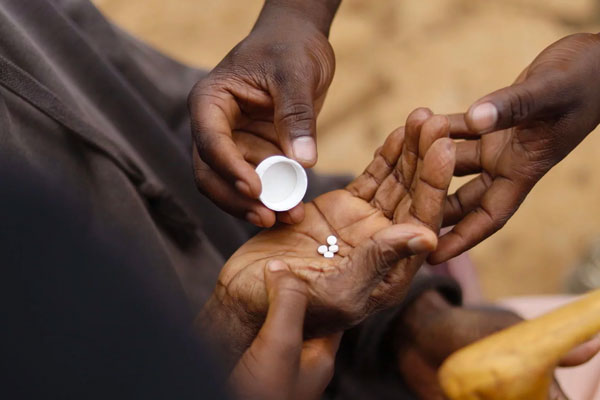
White Paper: Elimination and Eradication of Disease
In fact, historically, the world has seen many failures in the attempt to eliminate and eradicate diseases. Individual, disease-specific elimination goals have been achieved in some regions (e.g. wild polio in the Americas in 1994 and South-East Asia a full 20 years later and then in Africa in 2020) but there is only one successful human disease eradication program: the Global Smallpox Eradication Program.
The World Health Organization’s new 2030 NTD Roadmap titled ‘Ending the Neglect to Attain the Sustainable Development Goals’ which was launched in 2021, targets twelve diverse diseases for elimination or eradication in the years and decades ahead.(1) Traditionally, E&E programs are implemented as extremely vertical programs. Some argue that this verticality is essential to the success of the program and a laser-like focus is required to achieve the goal.
Download Report
White Paper: Integration across public health programs for NTDs
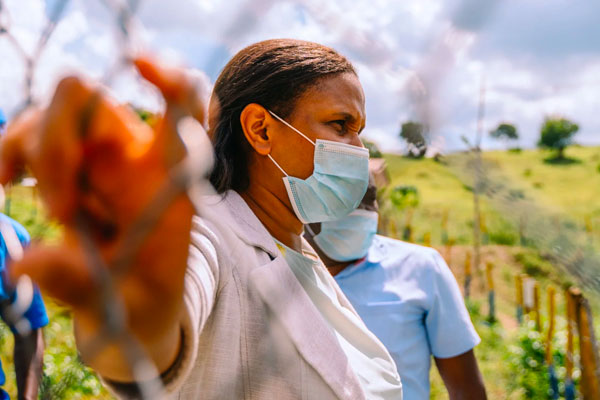
White Paper: Integration across public health programs for NTDs
This white paper examines case studies of integration to extract lessons learned that can guide future integration efforts to achieve greater impact and increased efficiency for NTDs.
Download Report