مهمتنا: تتمثل مهمة المعهد العالمي للقضاء على الأمراض المعدية (GLIDE) في تعزيز التفكير العالمي وتسريع التقدم نحو القضاء على الأمراض.




يعمل المعهد العالمي للقضاء على الأمراض المعدية (GLIDE) على تعزيز الوعي والمشاركة بشأن الأمراض الأربعة التي يركز عليها حاليًا - وهي الملاريا وداء الفيلاريا اللمفي وداء كلابية الذنب (العمى النهري) وشلل الأطفال. ونربط جهود القضاء على الأمراض على المستويات العالمية والإقليمية والوطنية مع الأولويات الصحية العالمية الأخرى ذات الصلة.
يعمل المعهد العالمي للقضاء على الأمراض المعدية (GLIDE) بالتعاون مع شركاء الدولة ووزارات الصحة على تقديم المشورة الفنية ومبادرات بناء القدرات. كما تعمل على تسهيل العمل عبر الأمراض وعبر الحدود وعبر القطاعات للمساعدة في تضخيم الدروس المستفادة وتحديد أوجه التآزر لتعزيز القضاء على الأمراض.
نقوم بنشر أخبارنا باللغة الإنجليزية. يُرجى الملاحظة أن الروابط أدناه ستنقلكم إلى موقعنا الإلكتروني باللغة الإنجليزية.

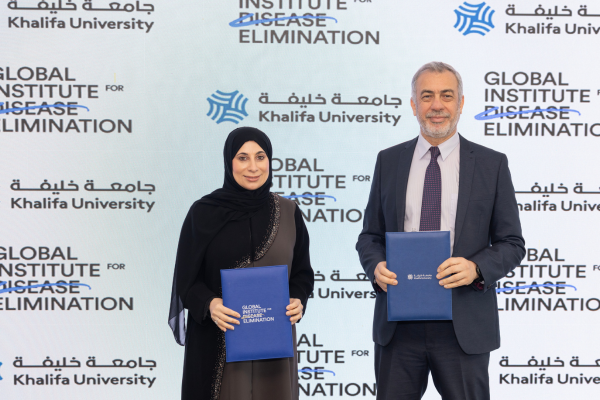
Collaboration Aligns with the UAE’s Long-Standing Commitment to Combating Infectious Diseases Regionally and Worldwide Abu Dhabi, UAE: 02 October 2025 – Khalifa University of Science and Technology and The Global Institute for Disease Elimination (GLIDE) today announced they have signed a Memorandum of Understanding (MoU) to collaborate on capacity-strengthening initiatives aimed at enhancing public […]
READ MORE
AI for All If you work in public health, this one is for you. A practical online introduction to artificial intelligence, developed by Mohamed bin Zayed University of Artificial Intelligence (MBZUAI) and tailored in collaboration with GLIDE. This program consists of four modules designed specifically for public health professionals, and no technical background or coding […]
READ MORE
GLIDE Leadership Excellence in AI for Health (GLIDE-LEAH) Convened by the Global Institute for Disease Elimination Lead the decision, not the technology. A six-day residential program for senior health leaders, convened by the Global Institute for Disease Elimination. Sunday 17 to Friday 22 January 2027. Abu Dhabi, United Arab Emirates. 25 to 30 places, inaugural […]
READ MORE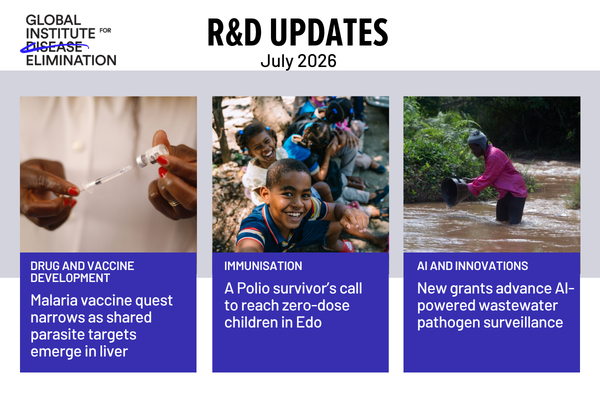
Vector Control How insecticides-treated bed nets outsmart malaria – Link Diagnostic testing and treatment Safety, tolerability and pharmacokinetic properties of intranasal artesunate in a first in human phase 1 trial – Link AI and Innovations AI-Driven disease intelligence targets malaria hotspots – Link Africa: What digital transformation means for malaria control programmes – Link New […]
READ MORE